Origins

Origins
The Labrador Creative Arts Festival has evolved alongside its communities while staying true to its core purpose. Through changing themes, visiting artists, and new creative approaches, it continues to reflect contemporary culture—blending tradition with digital storytelling, documentation, and fresh features that keep the festival current and meaningful.
The Inaugural Festival
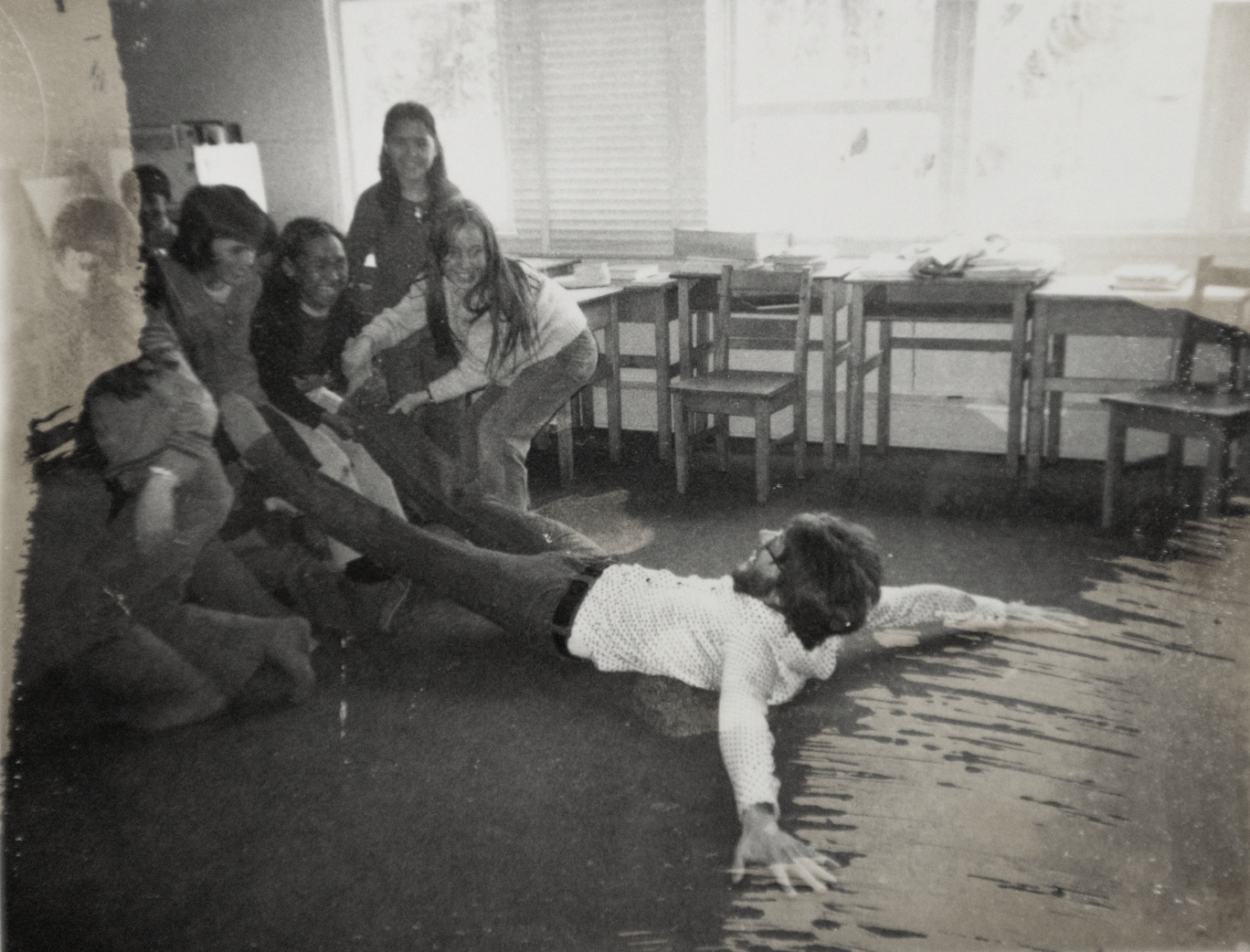
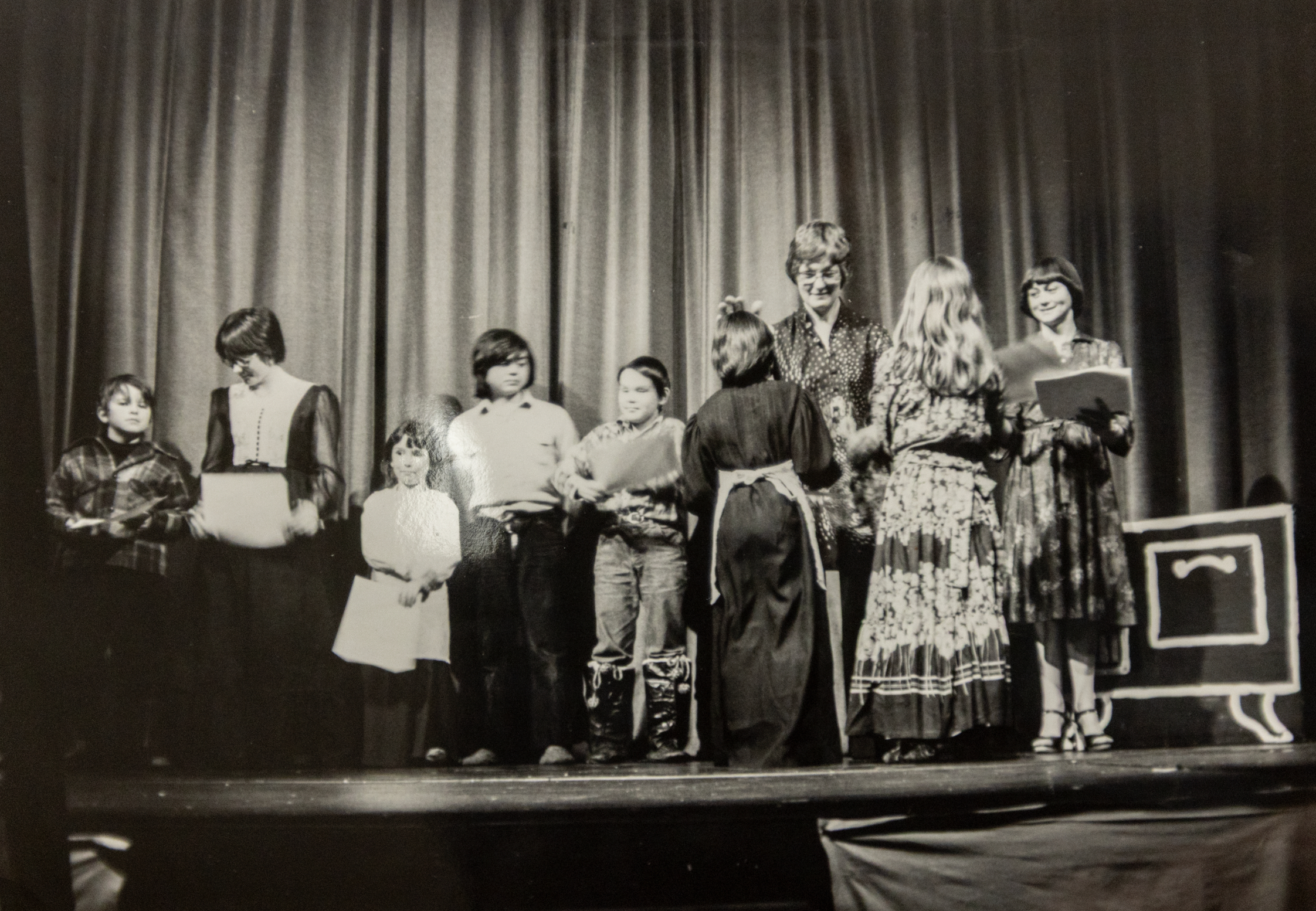
The first official festival featured eight schools from Lake Melville and Sheshatshiu, performing 80 short plays, songs, and dances, attracting 400 plus guests.
Expansion and Funding
Received initial funding from the Canada Council Explorations Grant. Participation grew to 60 groups as coastal communities like Hopedale and Nain joined.
First Animateur
A major Canada Council grant was received, and the first animateur (Thea Borlase) was employed to increase student awareness in the arts.
Thematic Approach
The festival adopted its first theme, "Them Days," and was featured in national and regional arts magazines for its educational impact.
Visiting Artists
Introduced the first visiting artists, including puppeteer Natalie Rewa from Toronto. The festival gained national radio coverage on CBC FM.

Button Competition
Launched the first Button Design Competition, a tradition that continues today. Visiting artists began traveling to coastal communities to reach more students.
25th Anniversary Video
Released "Now It's Our Turn: The Spirit of the Labrador Creative Arts Festival," a video production celebrating the festival's first 25 years.
The Wish Fish
The "Wish Fish" sculpture was created as a symbol for the community's successful lobbying for a new auditorium, now a key festival venue.
Lawrence O'Brien Arts Centre
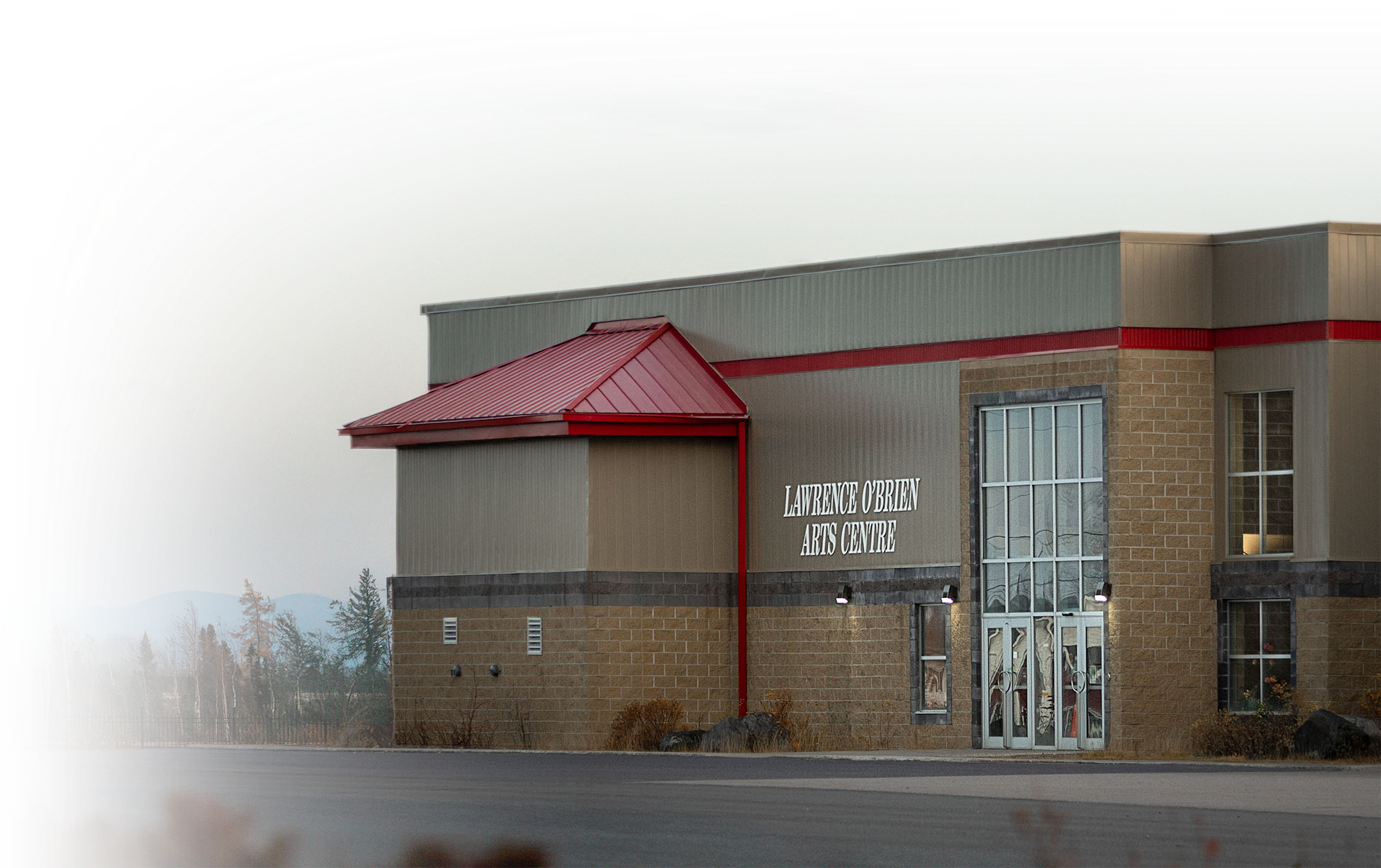
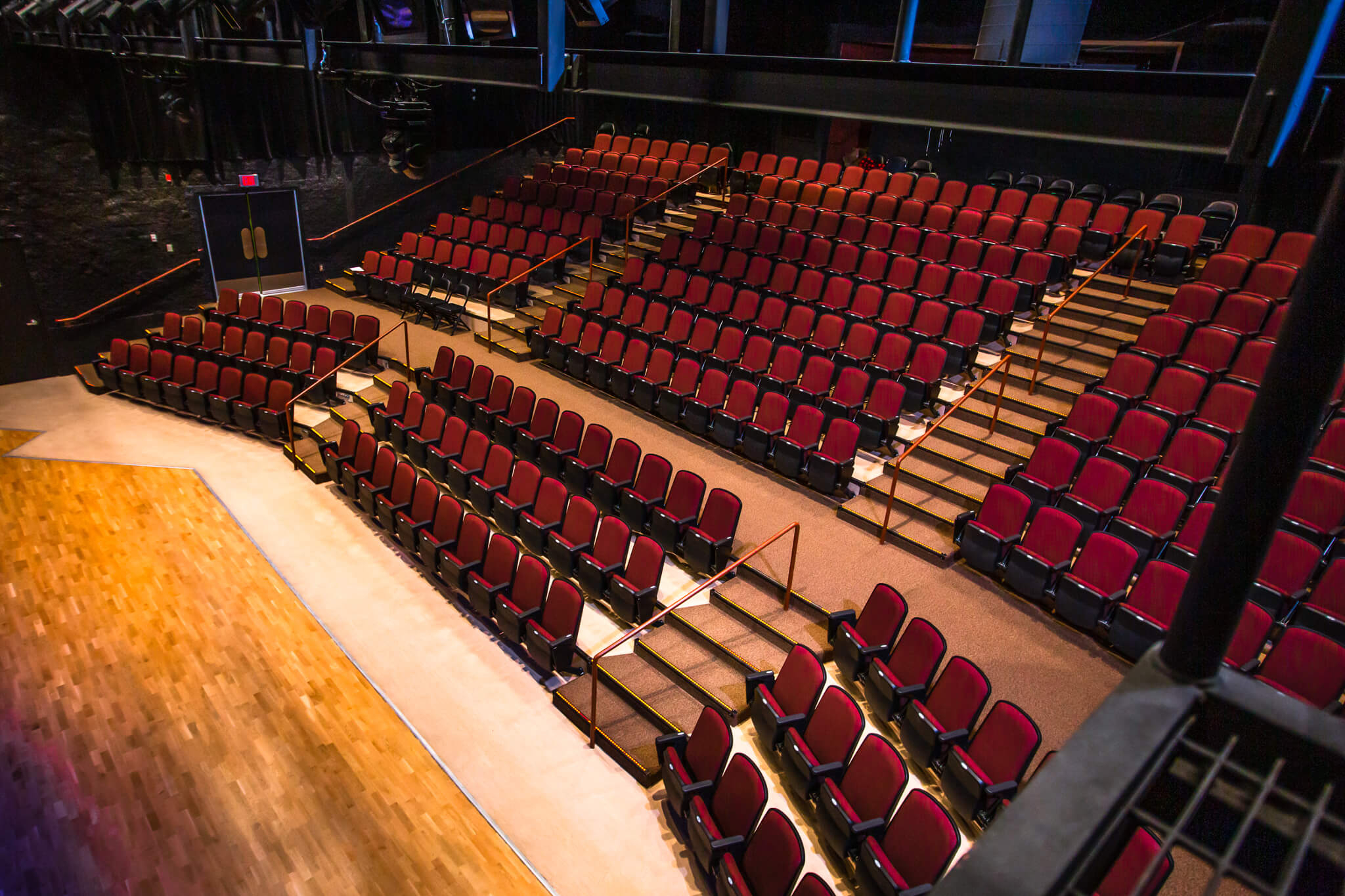
The creation of the "Wish Fish" sculpture led to the construction of the "Wish Fish Auditorium" (also known as the Lawrence O'Brien Arts Centre) built within the new high school, which serves as a permanent home for the festival's major events.
Virtual Pivot
Due to COVID-19, the 45th festival moved entirely online, offering 88 virtual sessions on YouTube covering Inuktitut language, coding, and traditional arts.
50th Anniversary
The creation of the "Wish Fish" sculpture led to the construction of the "Wish Fish Auditorium" (also known as the Lawrence O'Brien Arts Centre) built within the new high school, which serves as a permanent home for the festival's major events.
Growth & Evolution
The growth was fueled by the introduction of professional Animateurs and Visiting Artists, which transformed the festival's scope from simple theatrical performances to a wide array of creative expressions.
The Foundation
Originally focused on Drama and Playwriting, the festival established its core mission of student-led storytelling
Broadening Horizons
The decade saw the introduction of Puppetry, Visual Arts (through the Button Design Competition), Music, and Dance, moving beyond just the spoken word
Multimedia Integration
The festival embraced modern media, incorporating Filmmaking, Silk Painting, Photography, and Electronic Music
Cultural Preservation
A shift toward Heritage Arts brought in storytelling, archaeology, and traditional Inuit fabric arts, grounding the festival's evolution in local identity
The Digital Frontier
Recent years have seen the inclusion of Breakdancing, Opera, and Coding, demonstrating the festival's ability to stay contemporary and adapt to new technologies
Lawrence O’Brien Arts Centre Opens
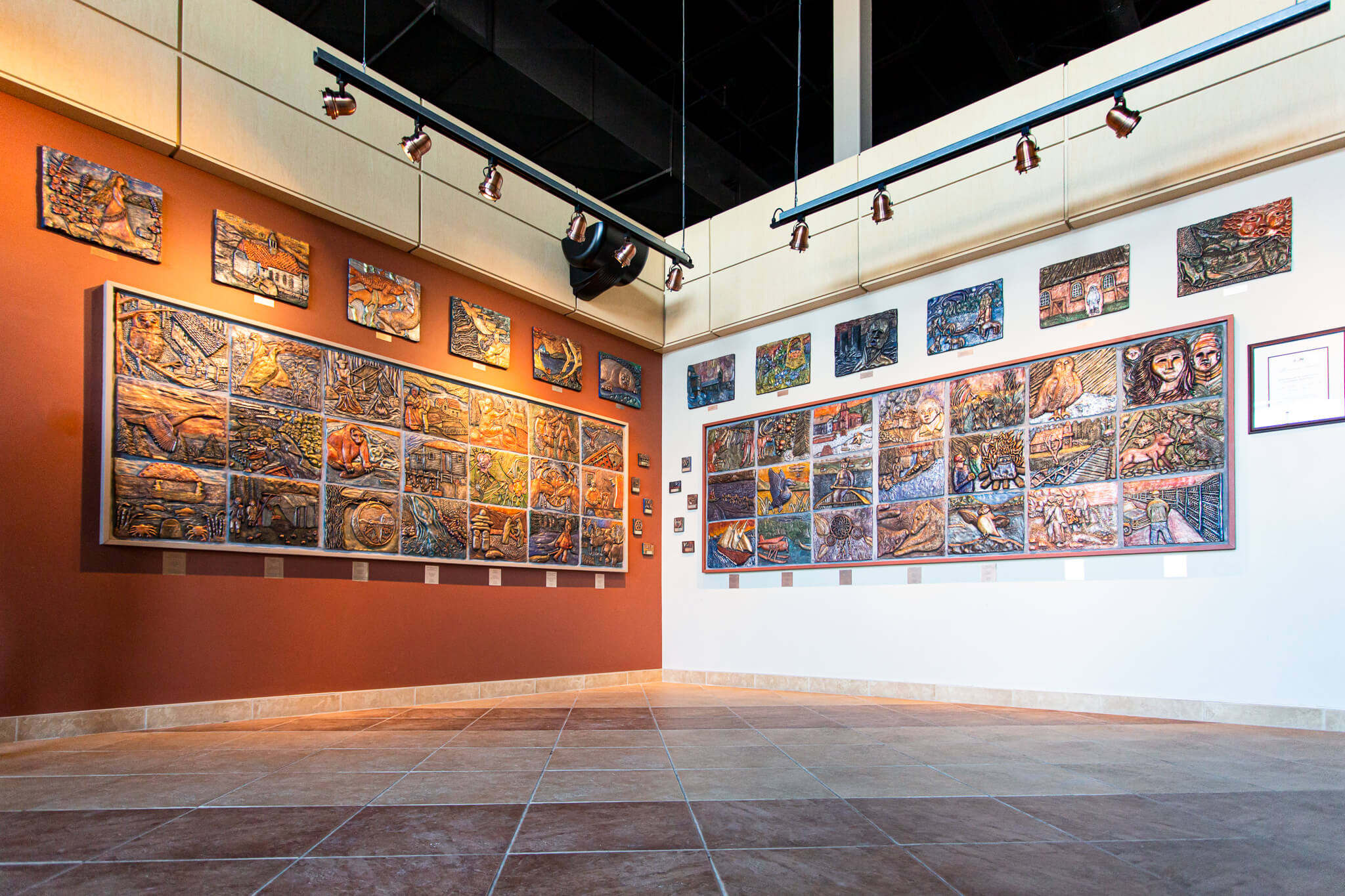
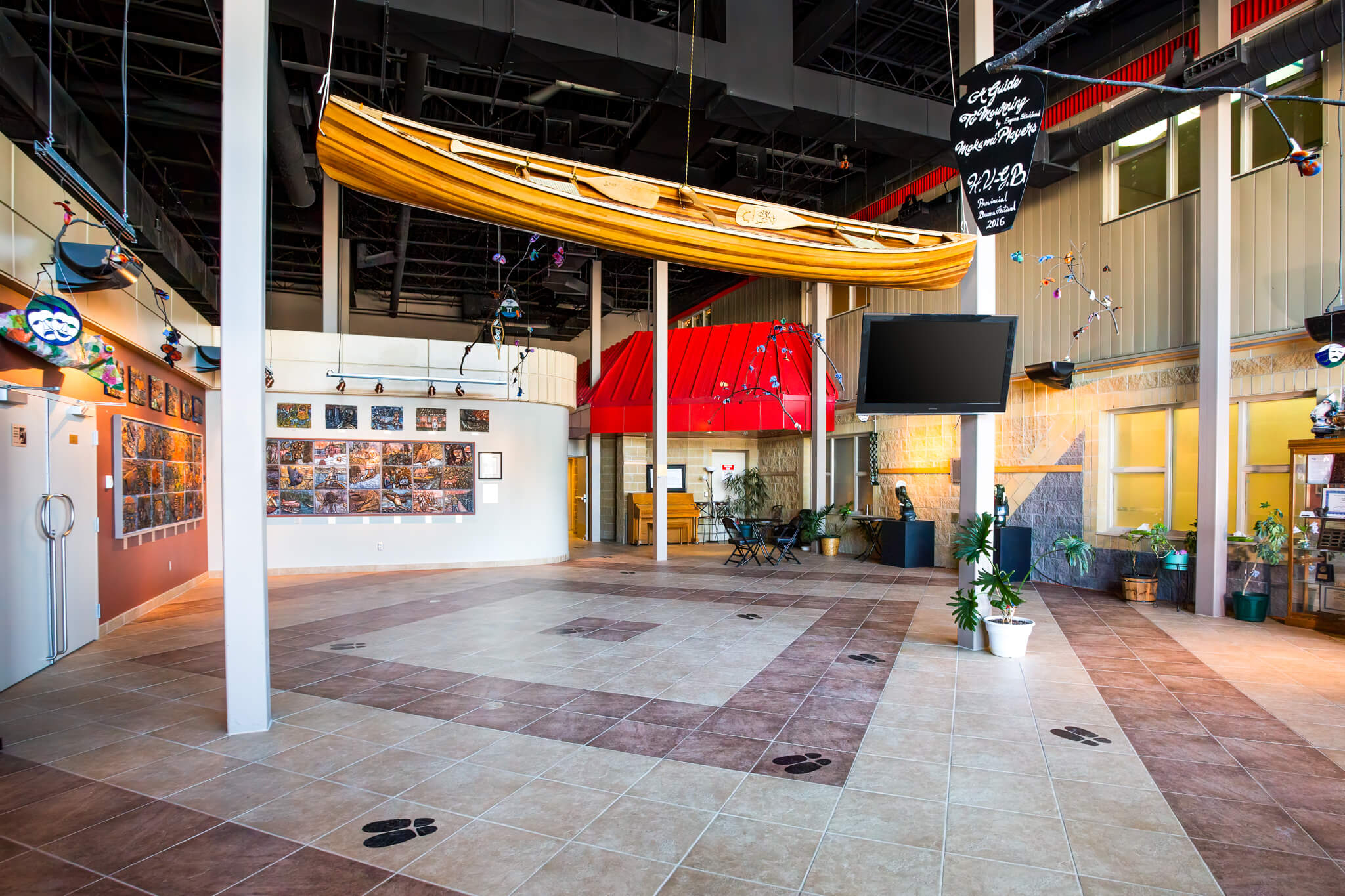
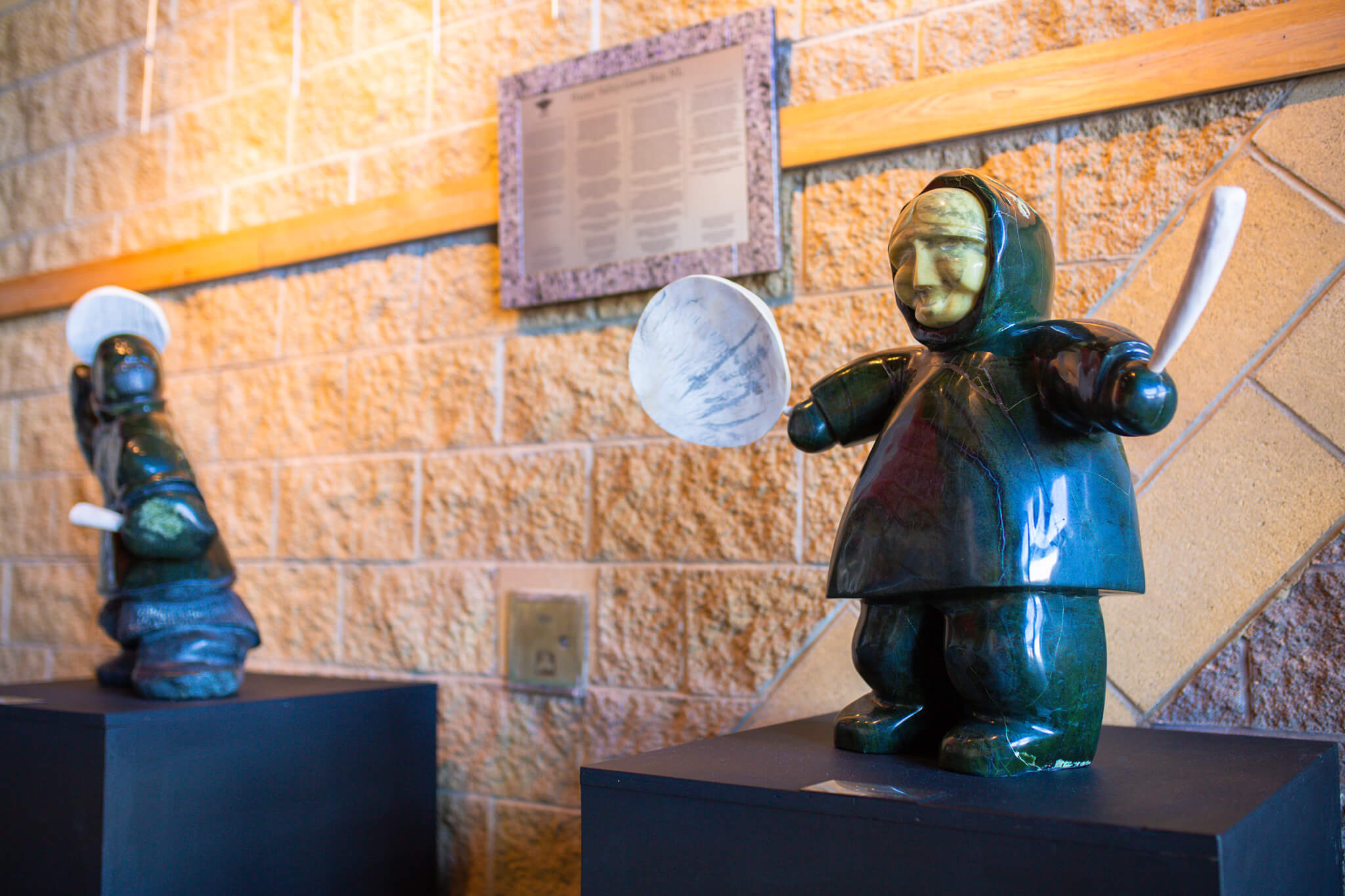
The Lawrence O’Brien Arts Centre in Happy Valley–Goose Bay is a vibrant, community-run hub for creativity and connection. Operated by the Eastern Labrador Arts Alliance, it hosts performances, workshops, and cultural events, serving artists, schools, and communities across Labrador.
Legacy & Impact
Generations of Participants
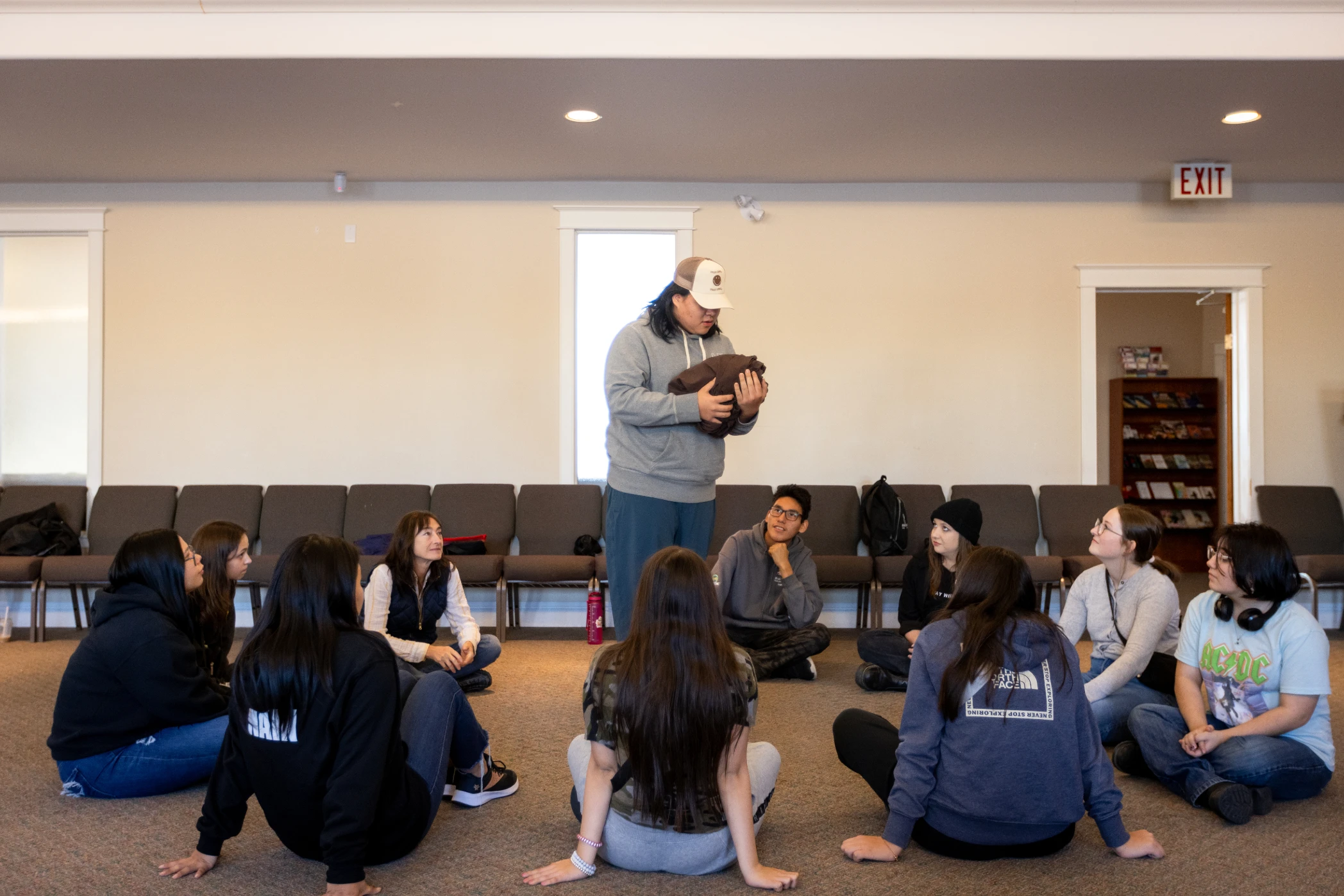
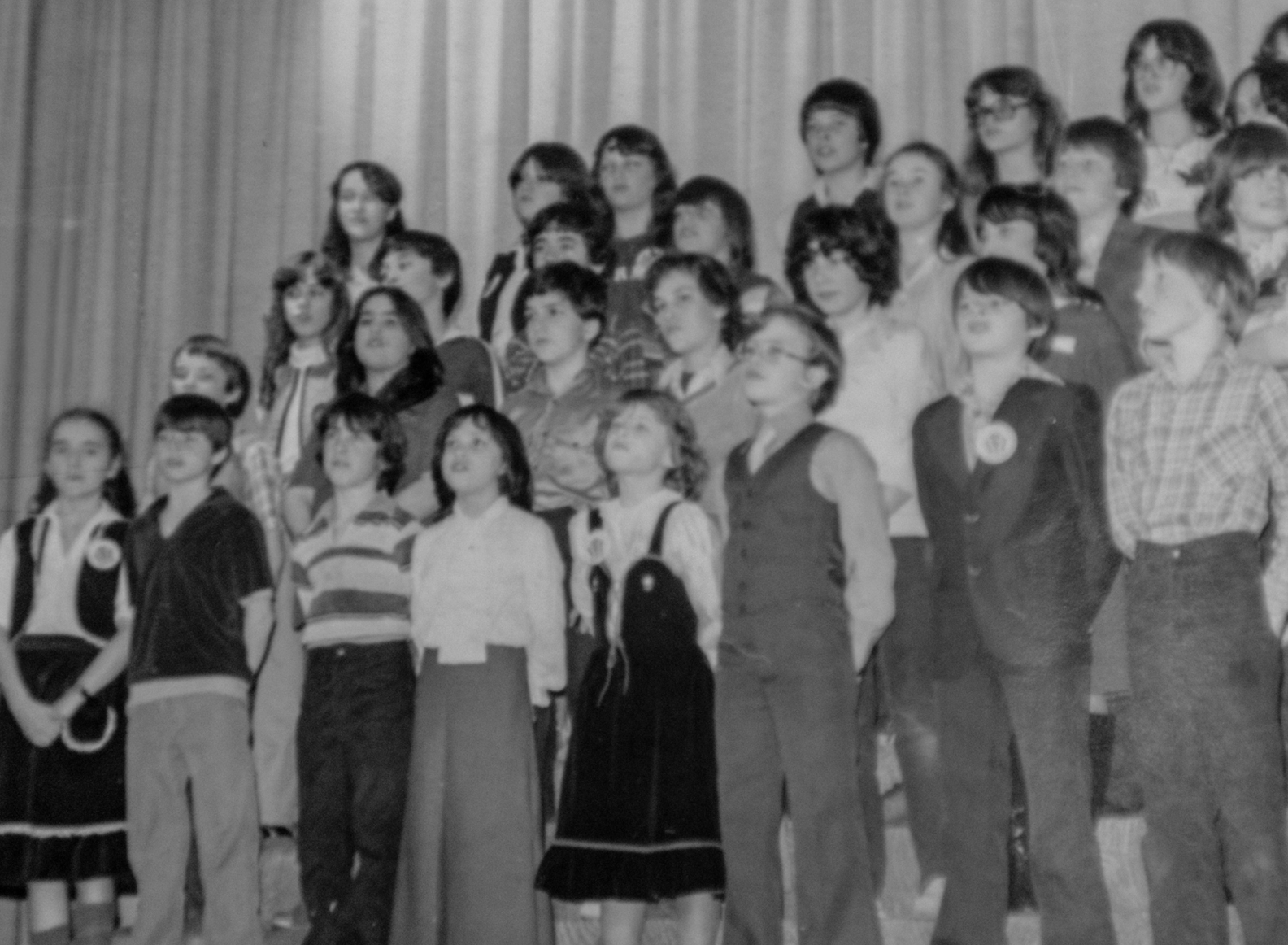
For over 50 years, the LCAF has served as a rite of passage for thousands of young Labradorians. The festival’s longevity has created a unique generational cycle where former student participants now return as teachers, coordinators, and even visiting artists.

From Students to Leaders
Many of the festival's key figures began their journey as student performers. For instance, Lorne Pardy, a former student participant, returned in 1992 as the festival’s Animateur, illustrating the full-circle mentorship that defines the LCAF.
A Shared Experience
Since involving over 2,000 students as early as 1977, the festival has provided a common ground for youth from isolated coastal communities and larger centers like Happy Valley-Goose Bay. This shared experience has built lifelong connections across the vast and diverse landscape of Labrador.
Continuity of Leadership
The festival has maintained a remarkable continuity, with founders like Tim Borlase and Noreen Heighton guiding the event through decades of growth, ensuring that the original spirit of student-led creativity is passed down to each new generation.
Cultural Importance in Labrador
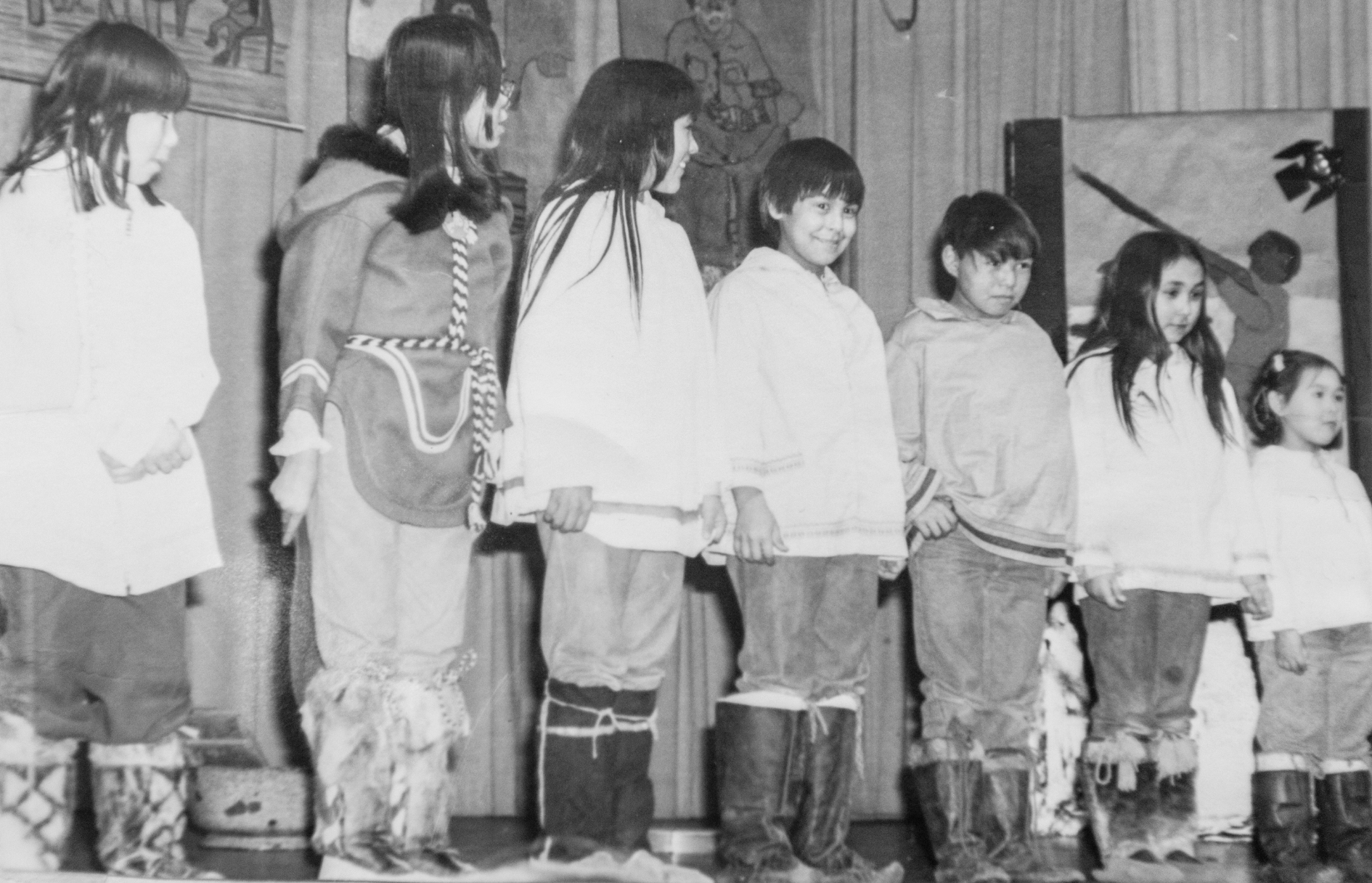
The LCAF is more than an arts festival; it is a vital instrument for the preservation and celebration of Labrador’s unique cultural mosaic, including Innu, Inuit, and Settler heritages.
Identity & Heritage
The festival’s mandate explicitly focuses on helping young people know their past. By researching local history for their plays, students become active participants in preserving their heritage.
Living History
Through its Scripts Database, the festival has archived hundreds of student-written plays that document the evolving concerns, stories, and dialects of Labradorians since the 1970s.
Indigenous Representation
The festival has consistently provided a platform for Indigenous voices, from the early participation of Davis Inlet (1980) to modern sessions on Inuktitut language and traditional Innu Tea Dolls.
Thematic Leadership
By adopting themes like "Them Days" (1979) and "Shorelines" (2011), the festival encourages students to reflect on their relationship with the land and their communities, reinforcing a deep sense of place.